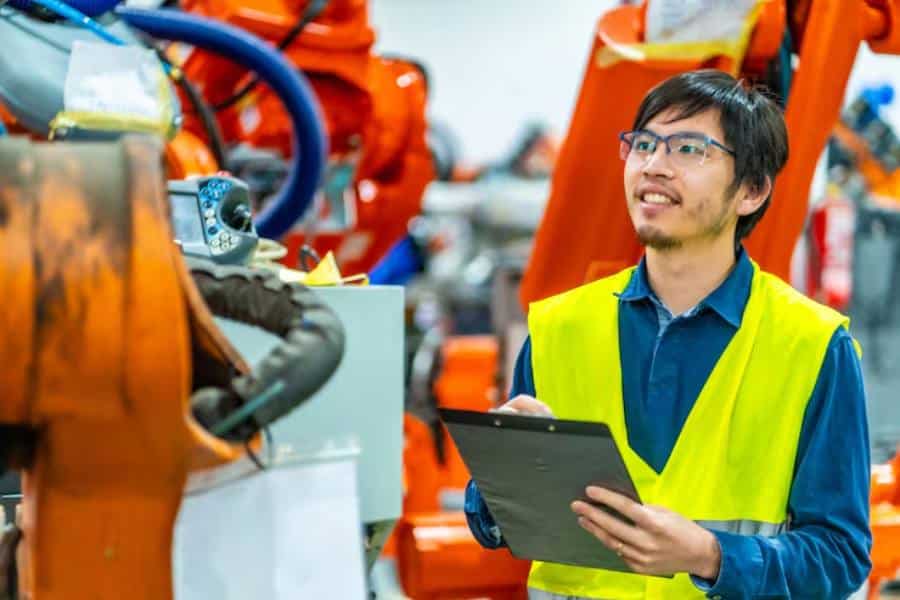
Manufacturing in the United States is undergoing a quiet transformation. While traditional industries still play a key role, modern production is increasingly defined by precision engineering, material innovation, and supply chain efficiency. Across the Northeast, including regions like Maine, this shift is opening new opportunities for businesses that rely on high-performance components.
One area gaining particular attention is plastic extrusion. This process allows manufacturers to create durable, custom-designed profiles used in everything from construction systems to medical equipment. Companies offering specialized plastic manufacturing solutions for industrial applications are helping support industries that demand consistency, scalability, and advanced material performance.
The Role of Plastic Extrusion in Modern Industry
Plastic extrusion involves shaping heated material into continuous profiles that meet specific design requirements. These components are used in windows, transportation systems, infrastructure projects, and a wide range of industrial products.
What makes extrusion particularly valuable is its flexibility. Manufacturers can tailor materials to meet exact specifications, whether the goal is increased strength, resistance to environmental conditions, or improved insulation. This adaptability has made extrusion an essential process in modern manufacturing.
According to insights from the National Institute of Standards and Technology, innovation in materials and production processes continues to be a major driver of industrial competitiveness in the United States. As companies adopt more advanced manufacturing techniques, they are better equipped to meet evolving market demands.
Strengthening Domestic Supply Chains
Recent disruptions in global supply chains have led many businesses to rethink their sourcing strategies. There is now a stronger focus on domestic manufacturing partners that can provide reliable production and shorter lead times.
For companies in the Northeast, this shift creates opportunities to collaborate with manufacturers that offer both engineering expertise and scalable production capabilities. Plastic extrusion plays a key role in this ecosystem by supplying critical components used across multiple industries.
Coverage of regional economic development, including updates found in local business reporting across Maine, highlights how industrial growth continues to contribute to job creation and long-term stability.
Sustainability and Material Innovation
Sustainability has become a central consideration in manufacturing. Advances in polymer science are enabling companies to use recycled materials, reduce waste, and improve product durability.
Plastic extrusion processes are particularly well suited to efficiency. Continuous production minimizes material waste, while modern technologies allow for greater precision and consistency. As environmental expectations increase, manufacturers that invest in sustainable practices are gaining a competitive advantage.
Consumers and businesses alike are paying closer attention to how products are made. Companies that combine performance with responsible production methods are better positioned in today’s market.
A Growing Future for Advanced Manufacturing
The continued growth of advanced manufacturing reflects a broader shift in how industries operate. Rather than focusing solely on output, companies are prioritizing quality, efficiency, and long-term value.
Plastic extrusion is a strong example of this evolution. By enabling the production of custom, high-performance components, it supports industries ranging from construction to healthcare and transportation.
As regions like Maine continue to strengthen their economic base, manufacturing will remain a key contributor to future growth. With increasing demand for reliable materials and innovative solutions, companies that specialize in precision production are helping shape the next phase of industrial development in the United States.